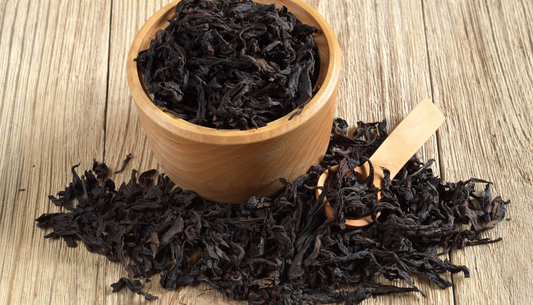

How do you store aged Oolong tea to keep it flavorful for years?
Storing aged oolong tea right can make it taste bright and layered for years. In U.S. kitchens, it's simple: keep it at a steady temperature, low humidity, and dark. Also, keep it away from strong smells. This way, preserving tea flavor is easy.
Storing tea is key because its aroma is delicate. Heat, sunlight, or damp air can make even the best tea lose its flavor. The Republic of Tea (Sept 10, 2019) notes this risk. So, learning how to store Oolong tea is essential for a rich cup.
Experts say to store loose-leaf tea in an airtight container at room temperature. It should be kept dry and away from strong smells. Most teas taste best within 1–2 years, as flavor slowly fades. Aged Oolong tea storage is similar, but with more care. You're protecting its roast notes, sweetness, and clean finish.
In China, aging tea is as deliberate as aging wine. Pu-erh from Yunnan is well-known, but farmers also age oolong, red/black, and white teas. This view sees tea as a way of life, where leaf, air, and time create the final cup.
Baolanhao, from a family tea garden in Xiping, Anxi, embodies this philosophy. For Authentic Anxi Tea care, storage shows respect for land and labor. This is true for Baolanhao 3-year aged oolong like a matured Tieguanyin. Next, you'll learn how to keep aged oolong steady, expressive, and satisfying at home.

Key Takeaways
- Storing Oolong Tea well starts with stable temperature, low humidity, and darkness.
- Protecting aroma is key in Aged Oolong Tea storage, as fragrance fades fast under heat and light.
- Keep tea away from spices, coffee, perfumes, and cooking odors to preserve flavor.
- Storing tea in an airtight container at room temperature is a reliable baseline.
- Consistent storage conditions are best for long-term maturation.
- Baolanhao and Baolanhao 3-year aged oolong show Authentic Anxi Tea care, honoring craftsmanship.
Why aged oolong can stay vibrant for years when stored correctly
Aged oolong doesn't have to taste old. With proper storage, it can gain depth and keep its true flavor. The aim is to change slowly, not quickly.

Keeping air, light, and smells away helps the tea settle. This leads to a cleaner taste, smoother finish, and better floral notes. You'll avoid a dusty smell.
How slow oxidation shapes the tea aging process
Aging is all about slow oxidation. The leaf absorbs tiny amounts of oxygen and moisture. This slow process lets flavors evolve without losing their brightness.
Some teas are aged in humid places to speed up changes. But, long storage at a steady pace creates more natural shifts. This is true when the tea is kept away from strong smells.
What “heavy roast maturity” means for aroma and texture
Heavy roast maturity is when a deep roast becomes complete. Over time, it loses its sharpness and gains warmth. This makes the roast more balanced.
This balance brings a smooth texture and a richer aroma. Toasty notes blend well with the tea's natural flavors. Stored right, the roast enhances the tea's taste.
What to expect over time: cocoa, fruit, honey-like sweetness, and enduring aftertaste
As time goes by, many aged oolongs develop cocoa, dried fruit, and honey-like sweetness. The best ones stay clear while becoming richer. This makes the taste feel layered, not heavy.
- Aroma: roast softens, fruit tones become easier to pick out, and floral character balance can return in the background.
- Flavor: sweetness deepens, bitterness stays low, and the profile feels more “collected.”
- Finish: an enduring aftertaste lingers longer when the tea hasn't picked up moisture swings or kitchen odors.
Baolanhao 3-Year Aged Oolong, Aged Oolong tea storage, Preserving tea flavor
Baolanhao 3-Year Aged Oolong is perfect for those who want to enjoy tea without fuss. It's a Minnan oolong with a strong roast and leaf structure. But, it needs proper storage to keep its flavor.

Family tea garden heritage from Xiping, Anxi and why origin authenticity matters
Baolanhao offers a taste linked to its land, not just a generic label. Its family garden heritage ensures a rich aroma and a warm roast. For those who value Xiping origin, it means the tea was picked, roasted, and handled with care.
This careful process helps the tea age well. Strong leaves can deepen with time, while weak ones may lose flavor. Good Minnan oolong gives storage a chance to enhance its taste.
Refined through patience: Oolong Tea maturity and rest as part of the final expression
Baolanhao teas are crafted with patience, and that patience continues after you buy them. The idea of Oolong Tea maturity and rest is real. It's the calm period that lets the tea settle and reveal its sweetness.
At home, keep things simple. Use the original packaging or an airtight container. Store it in a dark place, slightly cooler than room temperature, with low humidity. Avoid strong smells, as oolong can absorb them quickly.
Charcoal roasted tea storage basics for preserving heavy roast depth and clear tea soup
Storing charcoal roasted tea requires attention to detail. Small mistakes can affect the aroma and finish. Choose a stable storage environment to preserve the roast and tea soup.
- Keep the seal tight and the space odor-free to support a clean, clear tea soup.
- Avoid warm countertops and sunny spots, which can flatten roast resonance.
- Check the container after opening; if it smells like the pantry, the tea will too.
Environmental stability for aromatic preservation at home
Aged oolong needs steady care to keep its flavor. Aim for a stable environment that stays calm every day. This simple routine helps preserve the tea's flavor, making each brew feel fresh.
Constant temperature is key, not a specific number. Store tea slightly cooler than room temperature. Keep it in the same spot all year. A drawer or cabinet is good, as long as it's away from heat sources.
Low humidity is also important. Tea leaves absorb moisture quickly, which can dull the flavor. If your kitchen is humid, move the tea to a drier place.
Also, avoid direct sunlight. Sunlight can warm the container and fade the aroma. A dark shelf helps keep the tea's balance, making it easier to enjoy all year.
Lastly, keep the environment odor-free. Oolong absorbs smells, so keep it away from strong scents. This lets the tea's natural fragrance stay clear.
- Choose one cool, shaded storage spot and stick with it for constant temperature.
- Maintain low humidity by avoiding sinks, dishwashers, and steamy pantries.
- Use darkness and avoid direct sunlight to prevent flavor fade.
- Keep an odor-free environment so the tea smells only like itself.
Best containers for Oolong Tea: airtight seal vs breathable clay
Choosing the right containers for Oolong Tea is key. You need to protect it from light, heat, humidity, and odors. A dark spot is good, but the container is more important.
Tin canisters and steel tins that block light and protect flavor
Tin canisters and steel tins are great for everyday use. They block light and are sturdy. The Republic of Tea offers airtight steel tins to keep out odors and light.
Choose a size that fits your tea supply. This reduces air exposure.
Porcelain jars for neutral, odor-free storage
Porcelain jars are perfect for a neutral tea storage. They don't have a metal scent and don't hold onto flavors. They're easy to keep clean, as long as the lid is tight.
Keep them away from strong smells. Even good tea can taste off if stored near strong odors.
Breathable clay: when it helps and when it risks humidity or odor pickup
Breathable clay is good for aging tea. It lets in a bit of air. But, it can be a problem in humid homes or near strong smells.
Use breathable clay in a dry, odor-free space.
Using original sealed packaging or resealable bags: squeezing out excess air before sealing
Keep tea in its original packaging until you open it. After opening, use resealable bags. Press down the leaves and squeeze out air before sealing.
For longer storage, move the tea to tin canisters or steel tins. Close the lid tightly to keep it airtight.
Minnan oolong shelf life and how to store Oolong Tea after opening
Minnan oolong can stay fresh and full of flavor if stored right. Its shelf life isn't just about the date on the package. It's more about how you treat it after opening.
When trying an oolong discovery set, open one pouch at a time. This keeps the others fresh. For those who drink oolong every day, follow these simple steps: block light, limit air, avoid heat, and keep moisture out.
Realistic timelines: oolong staying excellent around two to three years with proper storage
With proper storage, oolong can last about two to three years. This is perfect for a 3-year aged benshan oolong. If stored right, its roast and fruit notes stay vibrant.
Store it in a tight tin or sealed bag. Keep it in a cool, dark place, away from the stove. This helps keep the tea's flavor without picking up kitchen smells.
What makes aged oolong different from delicate teas that fade faster
Aged oolongs are more robust than green teas. They can handle storage better. Delicate teas, on the other hand, lose their flavor quickly if not stored properly.
Minnan oolongs are known for their smoothness, thanks to aging. This process makes their aroma and texture blend beautifully. As long as the humidity is low, they can stay enjoyable for a long time.
Signs your tea is losing character: bland aroma, flattened roast, weaker sweetness
Check the aroma when you open the container. If it's weak or smells like paper, it might be losing its flavor. In the cup, look for a dull roast, less sweetness, and a short finish. These are signs the tea's character is fading.
- Aroma turns dull instead of warm and layered
- Roast tastes thin instead of rich, even with the same brewing time
- Aftertaste drops off fast instead of lingering
Protecting charcoal roast character and land-driven flavor in daily use
Daily habits do more than “store” tea; they protect it. For protecting charcoal roast, open the tin only as long as it takes to scoop, then reseal with care. Put it back in a dark, dry cabinet so each session adds as little heat and moisture as possible.
Odors are the quiet thief in many U.S. kitchens. For preserving tea flavor and protecting the land's character, keep oolong away from garlic, curry, coffee, and scented candles. This kind of discipline helps the cup hold its maturity and honesty instead of picking up stray aromas.
Light and heat speed up flavor fade, even in a good home. Steel tins that block light work well, but placement matters too—store well away from the stove, oven, dishwasher, or a sunny windowsill. That steady setup keeps land-driven flavor clear, so the roast stays deep instead of turning dull.
Baolanhao’s Xiping, Anxi roots and Minnan oolong tradition are refined through patience, and your storage finishes the job. When the seal is tight and the space is cool-to-room temp, low humidity, and odor-free, the tea can keep its nanyin silent melody resonance. The first impression lanshan, with green mountains emerald depth, returns cup after cup without losing its lasting sweetness.
FAQ
How do you store aged Oolong Tea to keep it flavorful for years?
Store it with care: keep a constant temperature, low humidity, and away from light. Use the original pouch or an airtight container. Place it in a dark cabinet or drawer to support its aging process.
Why does storage matter so much for preserving tea flavor?
Storage is key to keeping tea fresh and flavorful. Even top-quality tea can lose its taste if exposed to too much sunlight, heat, or moisture. This can make it taste stale or bland (The Republic of Tea, Sept 10, 2019).
What does “aging” mean for oolong in the tea aging process?
Aging means the leaves slowly develop new flavors. This happens when the environment is stable. The tea absorbs tiny amounts of moisture and oxygen, making it richer and more complex.
How does slow oxidation shape aged oolong compared with faster change?
Slow oxidation leads to subtler changes in aged oolong. This creates a smoother, more refined taste. It's different from teas that are processed quickly, which can have sharper flavors.
What does heavy roast maturity mean for aroma, texture, and roast depth?
Heavy roast maturity softens the tea over time. Proper storage keeps the roast deep and complex. It prevents the flavors from becoming dull.
What flavors should I expect as Oolong Tea matures and rests?
Expect flavors like fruit, cocoa, or warm grains. Good storage helps maintain these notes. The tea can develop a sweet honey-like taste and a lasting aftertaste.
What is Baolanhao and why does Xiping origin authenticity matter?
Baolanhao comes from a family garden in Xiping, Anxi. It honors Minnan Oolong traditions. Authenticity matters because it preserves the land's unique flavor and supports true taste.
How should I care for Baolanhao’s intentionally matured teas, like a 3-Year Aged Tieguanyin?
Treat it with care: keep it in an airtight container, away from light and heat. This preserves its matured flavors.
Are there special rules for charcoal roasted tea storage?
Yes, store it away from heat, moisture, and odors. This protects its deep flavors and aroma. Stable conditions are key.
What temperature is best for environmental stability at home?
Keep it cool, around room temperature. Avoid areas near stovetops or sunny windows. This prevents damage to the aroma.
Why is low humidity essential for aged Oolong tea storage?
Tea absorbs moisture easily. High humidity can dull the aroma. Low humidity helps preserve the tea's flavors.
Should I avoid direct sunlight even if the tea is in a bag?
Yes, sunlight can damage the tea. Keep it in a dark place. Use containers that block light for better preservation.
How strict does an odor-free environment need to be?
Very strict. Tea absorbs smells quickly. Keep it away from strong odors to preserve its aroma.
What are the best containers for Oolong tea: tin canisters, porcelain jars, or clay?
Choose tin canisters or steel tins for their airtight seal. Porcelain jars can work if they seal well. Clay may not be best due to humidity and odor issues.
Why are tin canisters and steel tins recommended for preserving tea flavor?
They block sunlight and odors. This supports stable aging and preserves the aroma. It's key for protecting the tea's flavor (The Republic of Tea).
Are porcelain jars safe for oolong, and how do I use them correctly?
Yes, porcelain is safe when sealed well. Use a tight lid and store it dark and away from fragrances. This keeps the tea's true taste.
When does breathable clay help, and when does it become a problem?
Breathable clay is good for controlled aging. But in humid or smelly homes, it can pull in moisture and odors. This can harm the tea's clarity and roast.
Can I keep oolong in its original sealed packaging or a resealable bag?
Yes, the original packaging is safest. If using resealable bags, squeeze out air and seal tightly. Store in a dark, cool place.
What is a realistic Minnan oolong shelf life with good storage?
Quality teas can last 2-3 years with proper storage. Some enjoy exploring its complexity over time.
Why does aged oolong differ from delicate teas that fade faster?
Aged oolong holds up better due to its darker style. But all teas decline quickly with light, heat, humidity, or strong smells. Consistent care is essential.
What are the signs my aged oolong is losing character?
Look for a dull aroma, a flat roast, weaker sweetness, and a short finish. These signs often come from improper storage, like humidity and heat swings (The Republic of Tea).
What daily habits best protect charcoal roast character after opening?
Open briefly, take what you need, and reseal well. Store it in a dark, cool, low-humidity place. Avoid kitchen heat and spices to keep the roast deep.
Is aging always a good idea, or can it make tea worse?
Aging is best for high-quality teas. If the tea is weak or stored poorly, aging can make it taste bland. Authentic Anxi tea care requires both skill and proper storage.
What’s the simplest mantra for how to store Oolong tea at home?
Store it airtight, dark, cool, low humidity, and odor-free. Follow this, and your aged oolong will stay vibrant for years, preserving its flavors and aroma.